Ever wondered why your energy bills seem to creep up every summer? Or perhaps you’ve noticed your air conditioner isn’t cooling quite like it used to? Maybe you’re simply looking for ways to get more life out of your current unit before splashing out on a replacement?
You’re certainly not alone. Across Australia, homeowners rely heavily on their air conditioning systems to beat the scorching summer heat and maintain comfort throughout the year. Yet many of us neglect the simple maintenance tasks that keep these essential appliances running smoothly. The good news? With a bit of regular care, you can keep your AC performing at its best while saving money on repairs and energy costs.
In this guide, we’ll walk you through everything you need to know about maintaining your air conditioning in box hill. From simple DIY tasks you can tackle this weekend to understanding when it’s time to call in the professionals, we’ve got you covered. You’ll learn how to prepare your system for each season, spot warning signs before they become costly problems, and discover habits that’ll extend your unit’s lifespan by years. Let’s get stuck into it!
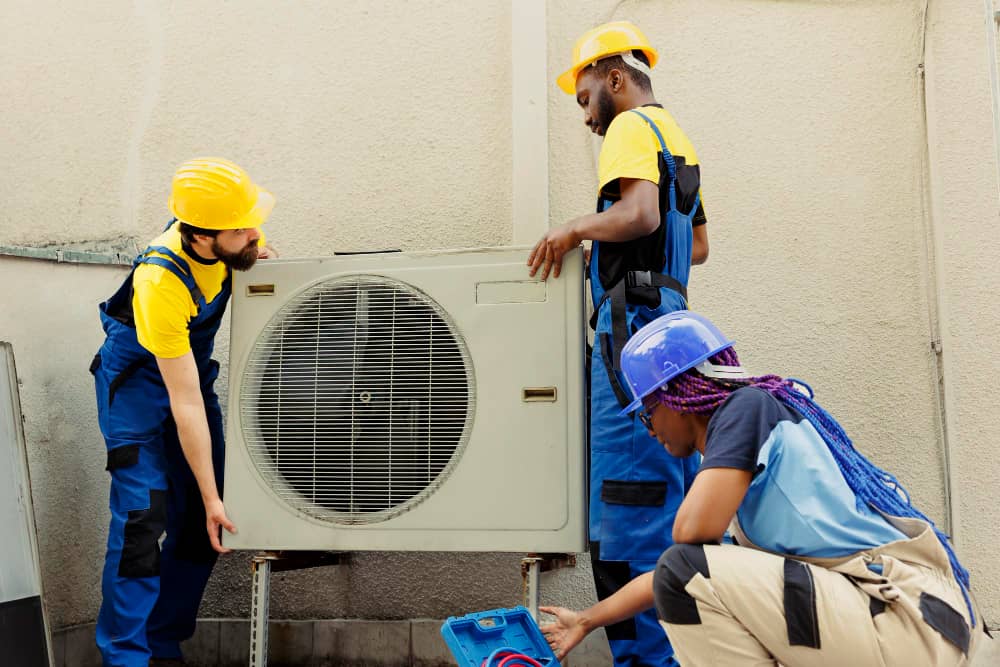
Understanding Your Air Conditioning System
How Does an Air Conditioner Work?
Before diving into maintenance, it helps to understand the basics. Your air conditioner works by removing heat from inside your home and transferring it outdoors. It uses a refrigerant that cycles between liquid and gas states, absorbing and releasing heat as it moves through the system.
The process involves four main components: the evaporator coil (inside), the compressor, the condenser coil (outside), and the expansion valve. When warm air passes over the cold evaporator coil, the refrigerant absorbs the heat. This cooled air then circulates back into your home. Understanding this cycle helps you appreciate why each component needs regular attention.
Common Types of Air Conditioning Units in Australian Homes
Split systems remain the most popular choice for Australian households, featuring an indoor unit connected to an outdoor compressor. Ducted systems provide whole-home cooling through ceiling vents, while window units offer a budget-friendly option for smaller spaces. Each type has specific maintenance requirements, though many core tasks remain similar across all systems.
Essential DIY Air Conditioning Maintenance Tips
How Often Should You Clean Your Air Conditioner Filter?
Your air filter is the first line of defence against dust, allergens, and debris. For most households, cleaning or replacing filters every four to six weeks during heavy use is ideal. If you have pets, suffer from allergies, or live in a dusty area, you might need to check them more frequently.
A clogged filter forces your system to work harder, reducing efficiency and potentially causing damage. Plus, dirty filters circulate poor-quality air throughout your home. It’s a simple task that takes just minutes but makes a significant difference.
Cleaning and Replacing Air Filters
For reusable filters, remove them carefully and vacuum off loose debris. Then, wash with warm water and mild detergent, allowing them to dry completely before reinstalling. Disposable filters should simply be replaced with the correct size and type for your unit.
Make sure you know your filter type and keep spares on hand. Check your manufacturer’s guidelines for specific instructions, as some systems have multiple filters that need attention.
Keeping Your Outdoor Unit Clear of Debris
Your outdoor unit needs clear airflow to function properly. Trim back any plants or shrubs to maintain at least 60 centimeters of clearance on all sides. Remove leaves, grass clippings, and any debris that accumulates around the unit.
During autumn, fallen leaves can quickly pile up and restrict airflow. A quick visual check every fortnight helps prevent problems before they start.
Checking and Cleaning the Condenser Coils
The condenser coils release heat from your home, but they can become coated with dirt and grime over time. Turn off the power, then gently hose down the outdoor unit to remove surface debris. For stubborn buildup, a soft brush and coil cleaner work wonders.
Dirty coils reduce your system’s ability to transfer heat, forcing it to work overtime. Annual cleaning keeps efficiency high and prevents unnecessary strain on components.
Seasonal Air Conditioning Care
Preparing Your AC for Summer
Before the heat hits, give your system a thorough check-up. Clean or replace filters, clear debris from the outdoor unit, and test the system to ensure it’s cooling properly. This is also an ideal time to schedule a professional service if you haven’t had one recently.
Check your thermostat batteries and settings while you’re at it. A programmable thermostat can help you maintain comfortable temperatures without wasting energy when you’re away.
What Maintenance Does an Air Conditioner Need Before Winter?
As temperatures drop, most Australians use their AC less frequently. Before switching to heating mode or turning the system off entirely, clean the filters one final time. Cover the outdoor unit if you won’t be using cooling for several months, but ensure adequate ventilation to prevent moisture buildup.
Run the system briefly every few weeks to keep components lubricated and functioning smoothly, even during the cooler months.
End-of-Season Shutdown Tips
When summer ends, don’t simply abandon your unit until next year. A proper shutdown includes cleaning all accessible parts, checking for any visible damage, and documenting any issues you noticed during the season. This information proves invaluable when scheduling professional maintenance.
Signs Your Air Conditioner Needs Professional Attention
Why Is My Air Conditioner Not Cooling Properly?
Reduced cooling can stem from various issues. Low refrigerant levels, dirty coils, blocked filters, or compressor problems are common culprits. If you’ve tackled basic maintenance and the problem persists, it’s time to call a professional.
Don’t ignore this warning sign, as running an under performing system wastes energy and can cause further damage.
Strange Noises and What They Mean
Grinding, squealing, or banging sounds indicate something’s wrong. Grinding often suggests motor bearing issues, while squealing may point to belt problems. Banging typically means loose or broken components. Turn off your system and seek professional help promptly.
Unusual Odours Coming from Your AC Unit
Musty smells usually indicate mould growth in the system or duct work. Burning odours suggest electrical issues and require immediate attention. A sweet smell might signal a refrigerant leak. Any persistent unusual odour warrants investigation by a licensed technician.
When to Call a Licensed Technician
Beyond the warning signs mentioned above, call a professional if your system cycles on and off frequently, produces warm air, or causes your circuit breaker to trip. Refrigerant handling and electrical work require licensed professionals for safety and compliance reasons.
Professional Air Conditioning Service: What to Expect
How Often Should You Service Your Air Conditioning Unit?
Most manufacturers recommend annual professional servicing to maintain warranty coverage and optimal performance. In Australia’s harsh climate, some experts suggest servicing twice yearly before summer and before winter for systems used year-round.
What Does a Professional AC Service Include?
A thorough service covers refrigerant level checks, electrical connection inspections, thermostat calibration, coil cleaning, and drainage system checks. Technicians also lubricate moving parts and identify potential problems before they become major repairs.
Choosing a Reliable Air Conditioning Service Provider
Look for licensed, insured technicians with positive reviews and transparent pricing. Ask about their experience with your specific system type. A reputable provider will happily explain their process and provide written quotes before commencing work.
Energy Efficiency and Cost Savings
How Can I Make My Air Conditioner More Efficient?
Beyond regular maintenance, consider upgrading to a programmable thermostat, sealing gaps around doors and windows, and using ceiling fans to distribute cool air more effectively. Close blinds during peak sun hours to reduce the cooling load on your system.
The Link Between Maintenance and Lower Energy Bills
A well-maintained air conditioner uses significantly less energy than a neglected one. Clean filters alone can reduce energy consumption by up to 15%. When every component works efficiently, your system doesn’t need to work as hard to maintain comfortable temperatures.
Optimal Temperature Settings for Australian Climates
Setting your thermostat between 24-26°C during summer offers a comfortable balance between coolness and efficiency. Each degree lower can increase energy consumption by around 10%. Dress appropriately and use fans to help you feel cooler without cranking up the AC.
Extending the Lifespan of Your Air Conditioning Unit
How Long Should an Air Conditioner Last?
With proper care, most air conditioning units last 10-15 years. Some well-maintained systems continue performing reliably for 20 years or more. Regular maintenance is the single biggest factor in achieving a long lifespan.
Top Habits That Prolong AC Unit Life
Consistent filter cleaning, annual professional servicing, prompt attention to warning signs, and appropriate thermostat settings all contribute to longevity. Avoid overworking your system by maintaining good insulation and using it sensibly during extreme weather.
Keep Your Cool All Year Round
Maintaining your air conditioning unit doesn’t require specialist knowledge or expensive equipment. The simple tasks we’ve covered cleaning filters, keeping the outdoor unit clear, and staying alert to warning signs can significantly impact your system’s performance and lifespan.
Remember, prevention beats repair every time. Regular DIY maintenance combined with annual professional servicing creates a winning formula for reliable, efficient cooling. You’ll enjoy lower energy bills, fewer unexpected breakdowns, and the peace of mind that comes from knowing your system is ready for whatever the Australian weather throws at it.